An independent screen journal, Adelaide
The room on screen, checked against the print
Baizelight is not a casino, a bookmaker or a gaming operator. It accepts no wagers and holds no deposits. Its sole business is writing about the way gambling rooms are shown on screen.
One subject, treated at trade-press length: how cinema and television have pictured the gambling room since the 1930s, and what those pictures changed.
Reference
The guide
How to read a casino scene: framing, table procedure, and what a lens does to the geography of a room.
Timeline
The history
Dated entries from the Ridotto of 1638 to the resort floor, kept separate from the films that picture it.
Fact-check
The myths
Screen shorthand checked against the record and marked true, false or unverifiable — one claim per entry.
Dated entries
The journal
Short pieces on single scenes and single rooms, filed with dates and corrected in public when wrong.
The language problem
Two vocabularies, one subject
On film the casino speaks an imported language. The room is Monte Carlo by way of a studio backlot — croupiers, evening dress, a wall of slots ringing somewhere off frame — and the vocabulary arrived in Australia with the pictures.
The vocabulary changes in Australia. Slot machines are the pokies here, and nobody calls them anything else. Punt stands in for bet, the TAB is the shop, and swy — the word comes from zwei, German for two — arrived via the mining camps. Local gambling speech is homegrown to an unusual degree, which is why casino terms carried in from abroad sound out of place on an Australian page.
Baizelight writes in both registers and marks the seam, because the gap between the two vocabularies is itself a fact about the pictures: what the screen shows and what the local room is called rarely match.
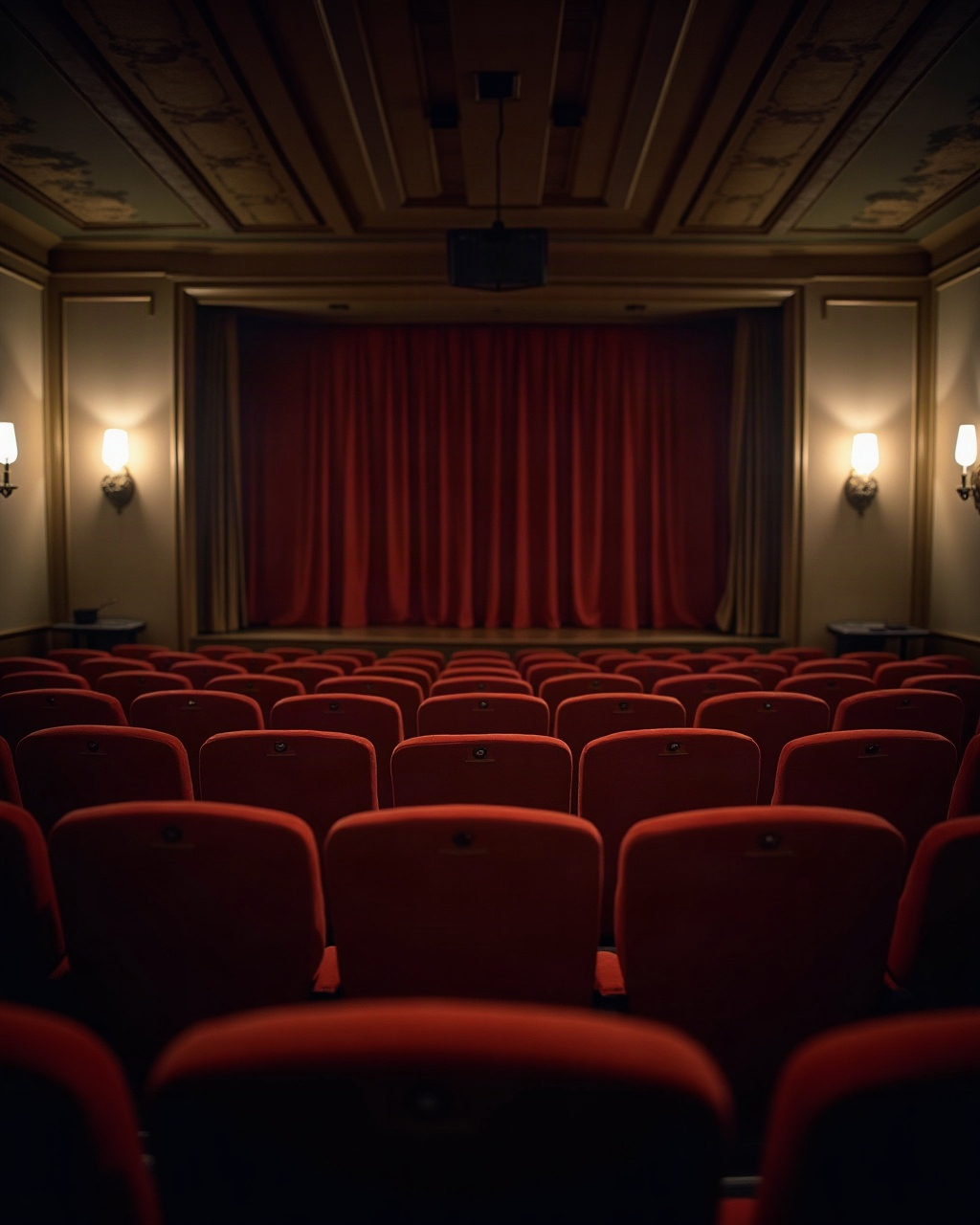
The brief
What runs and what does not
Baizelight covers the casino as a picture, not as a destination. The working rule is checked against the print: a claim that cannot be verified in the frame or in the trade record does not run.
- No strategy and no odds — the mathematics of play is off the brief entirely.
- No venue reviews and no addresses; the editor rates scenes, not rooms.
- No tips, no promotions, no partner links; nothing here points a reader toward a bet.
- Dated facts, hedged where the record is thin; where sources disagree, the disagreement is printed.
What remains is the screen itself: how a director stages a gambling room, what the set decorator borrowed from real floors, and what audiences took away as fact.
The long view
Four eras of the casino picture
Dated loosely on purpose — the boundaries blur, and the journal argues the edges. Each era gets its full run of dates on the history page.
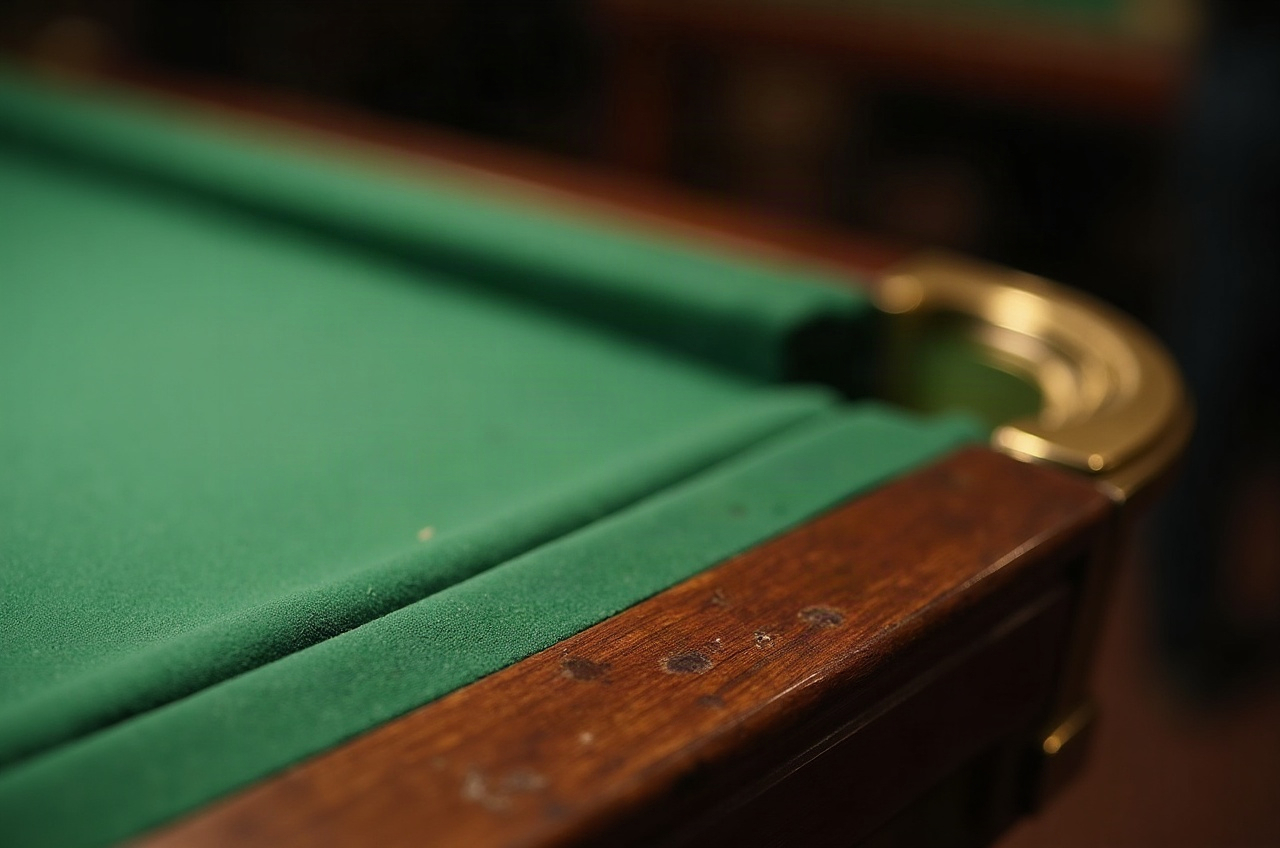
- 1930s–1940s
Evening dress and intrigue
The studio-era casino is a class marker photographed for glamour rather than procedure; Casablanca (1942) keeps its roulette wheel in a back room, present but deniable.
- 1950s–1960s
The institution and the heist
Postwar film treats the casino as an institution worth infiltrating; Ocean's 11 (1960) robs five Las Vegas floors in one night and spends as much footage on staff routine as on money.
- 1970s–1990s
The workplace picture
The floor becomes a workplace — surveillance, count rooms, management — and Martin Scorsese's Casino (1995) treats the count room and its economics as the story itself.
- 2000s–present
Television scale
The subject migrates to television and streaming, the poker close-up replaces the roulette wheel as the default image, and the machine floor — slots abroad, pokies at home — finally appears as a place where ordinary people sit.
Errors and evidence
Reach the editor
Praise matters less on this site than a correction. Write in if a date is off, if a scene has been described wrongly, or if you have a source the print cannot show; every correction is published in the journal, dated. Ask about the room in a particular film and you get an answer where the record supports one, and a plain refusal where it does not.